

 English
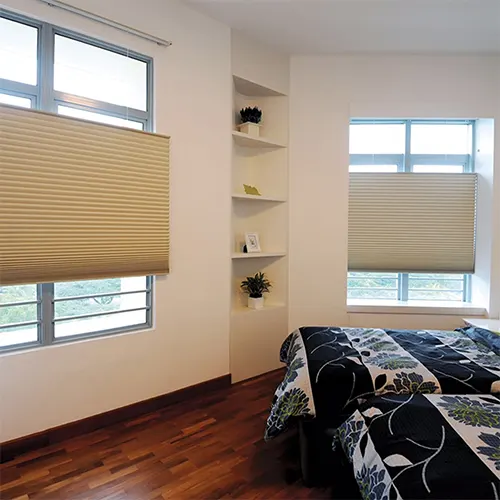
Choosing the right non-woven honeycomb blind fabric requires more than selecting a color or pattern. For window covering manufacturers, wholesalers, and project buyers, fabric construction, cell structure, light control, width, functional performance, and customization capability can all affect the final product.
-
 20Sep,2026How to Choose the Right Non-Woven Honeycomb Blind Fabric for Your Project?
 -
 20Sep,2026What Are the Advantages of Non-Woven Honeycomb Blind Fabric?
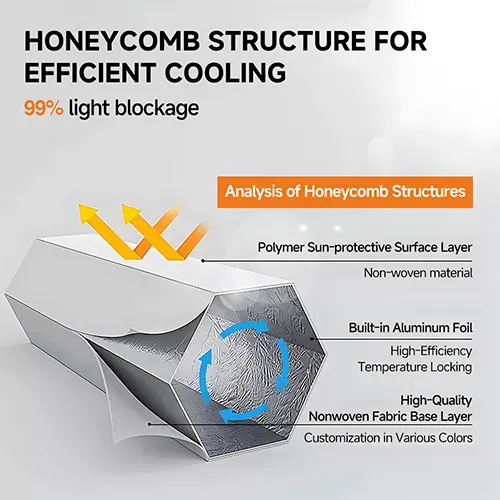
Non-woven honeycomb blind fabric is widely used in cellular shades because its structured construction combines a lightweight fabric body with the insulating characteristics of a honeycomb design.
-
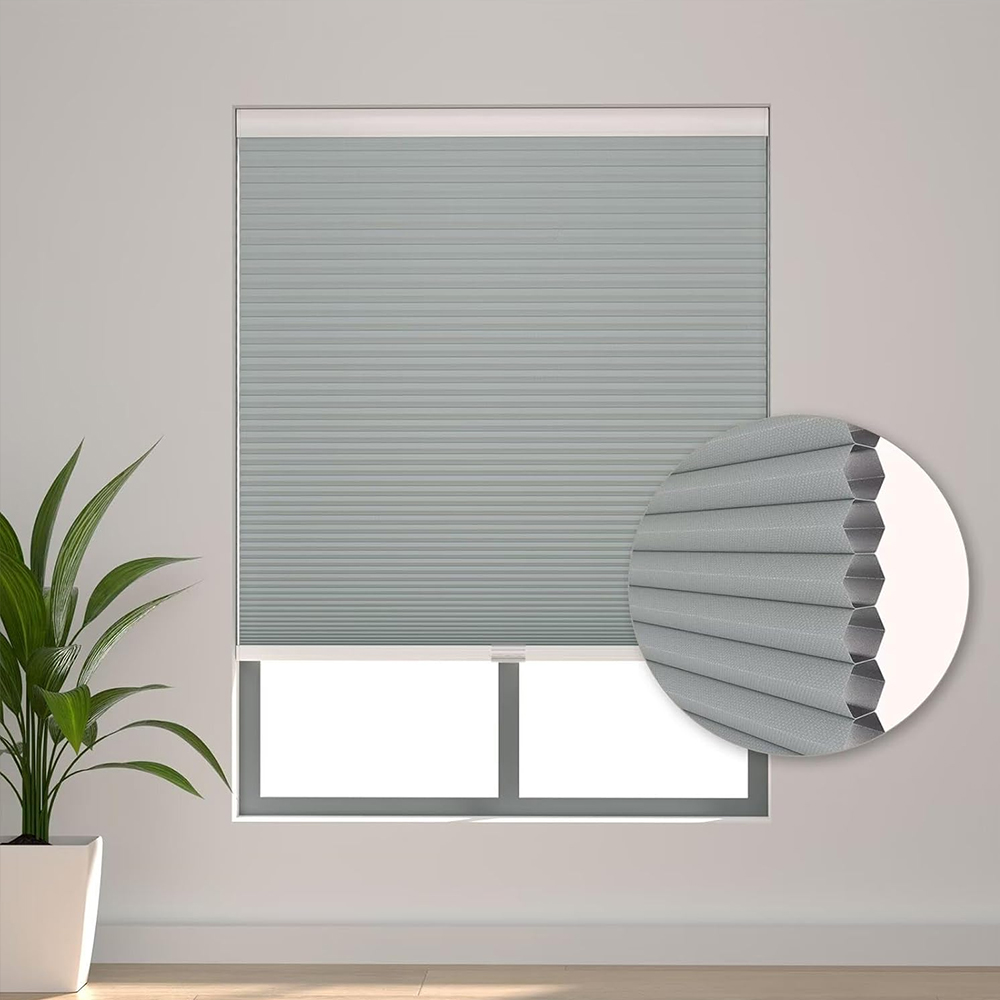 11Sep,20265 Reasons to Consider Honeycomb Fabric for Your Window Covering Collection
For window covering brands and manufacturers, adding a new fabric category is more than a design decision. The material needs to support product differentiation, manufacturing efficiency, project requirements, customization, and long-term supply.
-
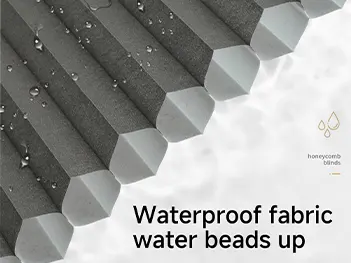 11Sep,2026What Is Non-Woven Honeycomb Blind Fabric?
Non-woven honeycomb blind fabric is one of the commonly used materials for manufacturing honeycomb shades and cellular blinds.
-
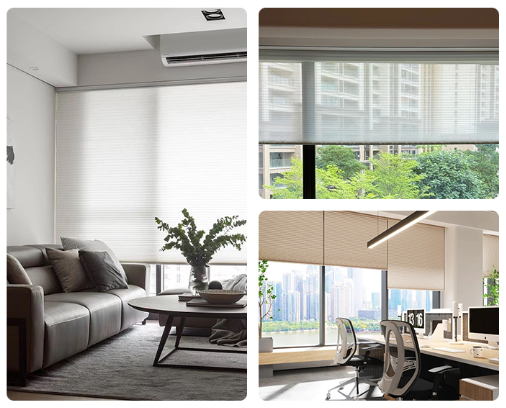 04Sep,2026What Are the Advantages of Honeycomb Blinds?
Honeycomb blinds have become a popular choice for residential and commercial window coverings because they combine a clean appearance with practical performance.
-
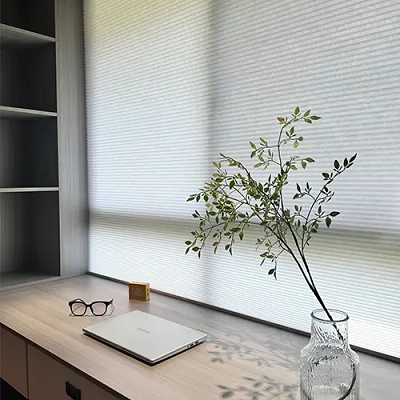 04Sep,2026What Fabrics Are Used for Honeycomb Shades?
When choosing honeycomb shades, the fabric is one of the most important factors to consider. The fabric affects the shade's appearance, light control, thermal insulation, privacy, durability, and overall performance. So, what fabrics are used for honeycomb shades?
-
 28Aug,2026What Are Cellular Shades Made Of?
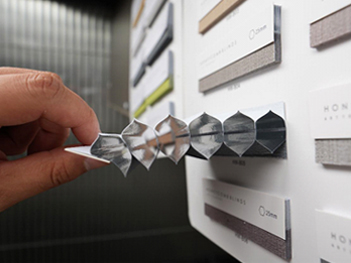
The fabric is the core component of the shade. Depending on the product design, Honeycomb blinds fabric can be made from spunlace non-woven fabric, polyester fiber, or specially engineered composite materials.
-
 28Aug,2026How to Measure Cellular Shade Cell Size?
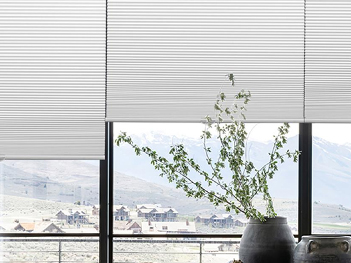
Cellular shades are widely used for their clean appearance, energy efficiency, privacy, and flexible light control. One specification that is often overlooked when selecting a cellular shade is the cell size.
-
 29May,2025R+T Asia 2025: HORNET Showcases Innovative Window Treatment Solutions
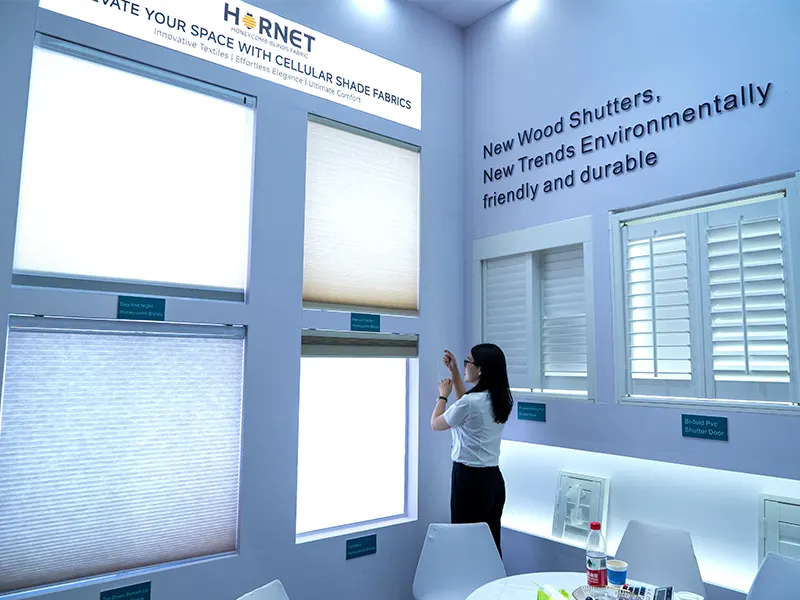
During the three-day event, HORNET presented its latest window treatment products, explored emerging industry trends, and connected with customers and business partners from international markets.
-
 21Aug,2026What Are the Best Honeycomb Colors for Different Interior Styles?
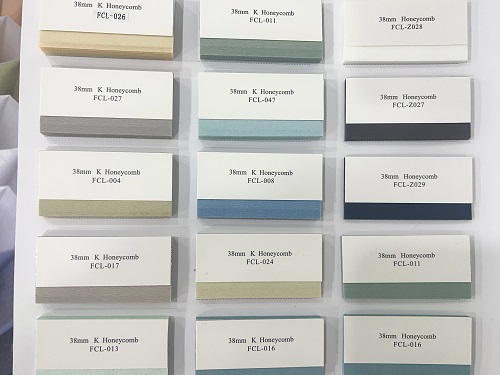
Choosing the right honeycomb colors is an important part of creating a comfortable and coordinated interior. Honeycomb shades, also known as cellular shades, are not only valued for their insulation and light-control properties but also for their wide selection of colors and fabric options.
-
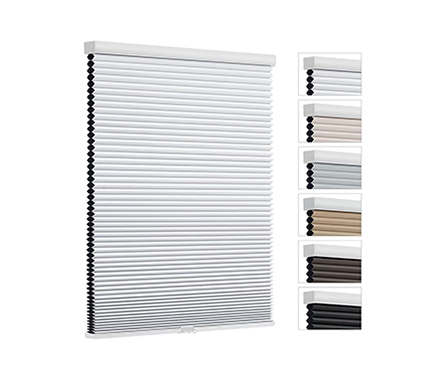 21Aug,2026What Are Honeycomb Shades?
Honeycomb shades, also known as cellular shades, are a type of fabric window covering designed with connected air pockets that resemble a honeycomb when viewed from the side.
-
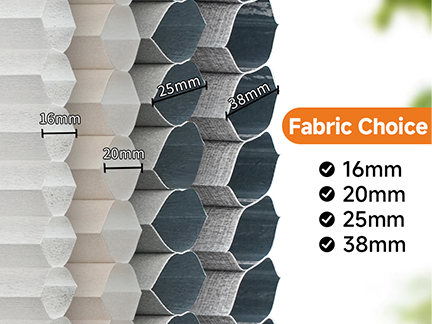 25Dec,202516mm vs 25mm Honeycomb Blinds Fabric: Differences and Applications
When selecting honeycomb blinds fabric for residential or commercial window covering projects,one of the most common questions is:Should I choose 16mm or 25mm honeycomb blinds fabric?