

 English
Choosing the right Honeycomb Blinds Fabric is essential for blind manufacturers, window covering brands, distributors, and project buyers looking for reliable shading solutions. Different fabrics offer different levels of light transmission, privacy, durability, and functional performance. The fabric structure also affects the appearance of finished cellular shades and their suitability for different window environments.
From nonwoven and Woven Fabrics to sheer materials, and from classic pleated designs to single-hole, double-row-hole, and hole-in-hole structures, honeycomb blinds can be customized to meet diverse market requirements. Functional options, including standard, waterproof, and flame-retardant fabrics, provide additional flexibility for residential, commercial, and hospitality projects.
1. Different Materials for Honeycomb Blinds Fabric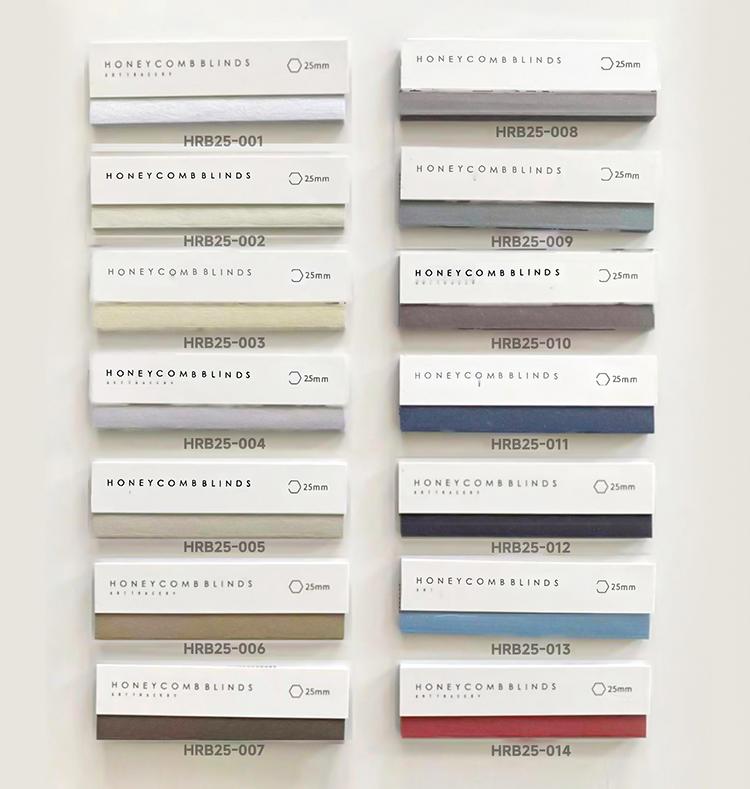
Material selection is one of the first considerations when sourcing cellular shades fabric. Buyers should evaluate the intended shading effect, fabric appearance, performance requirements, target market, and budget before choosing a material.
Nonwoven Honeycomb Fabric
Nonwoven honeycomb fabric is a common option for cellular shades. It can offer a lightweight construction, a consistent appearance, and flexibility in pleated shade designs. Depending on its composition and processing, nonwoven fabric can be developed for different light-filtering and privacy requirements.
For buyers sourcing fabric for large-volume blind production, nonwoven materials can be considered for their suitability for repeatable manufacturing and a range of product specifications.
Typical considerations include:
Lightweight construction for cellular shade systems
Options for different colors and light-filtering effects
Compatibility with specified pleat sizes and fabric structures
Potential for customized performance treatments, subject to material suitability
Woven Honeycomb Fabric
Woven honeycomb fabric provides a textile-based appearance that can suit buyers looking for a more defined fabric texture. The weaving process allows different yarns, patterns, and surface effects to be considered according to the product design.
Depending on the selected construction, woven materials may be suitable for window coverings where visual texture, fabric character, and coordination with interior furnishings are important.
When evaluating woven cellular shades fabric, buyers should confirm fabric thickness, flexibility, dimensional consistency, color options, and compatibility with the intended shade assembly.
Sheer Honeycomb Fabric
Sheer honeycomb fabric is designed for applications where a softer appearance and a degree of natural light transmission are preferred. It can help create a lighter visual effect while maintaining the distinctive cellular structure of honeycomb blinds.
Depending on the material and cell construction, sheer options may be considered for living spaces, offices, and other environments where daylight management is important. Actual transparency, privacy, and light transmission depend on the fabric specification and finished shade design.
For procurement teams, it is advisable to review physical samples under different lighting conditions before confirming a bulk order.
2. Honeycomb blinds fabric Structures and Designs
In addition to the base material, the fabric structure plays an important role in the appearance and performance of cellular shades. Different structures can help brands develop product ranges for different price points, shading preferences, and project requirements.
Pleated Structure
Pleated honeycomb fabric features folded sections that create the characteristic layered appearance of cellular shades. The pleat size, fabric thickness, and construction can influence the overall look of the finished blind and its compatibility with the shade system.
For manufacturers and private-label brands, different pleat specifications provide opportunities to develop coordinated collections for residential and commercial window coverings.
Single-Hole Structure
Single-hole honeycomb fabric uses a single row of openings in its cellular construction. It can be considered for standard cellular shade designs where the required cell structure, light management, and finished appearance match the application.
Buyers should confirm cell dimensions, fabric specifications, and compatibility with the intended shade system when comparing single-hole options.
Double-Row-Hole Structure
Double-row-hole honeycomb fabric features a double-row opening arrangement. This construction offers another option for product differentiation and can be selected according to the desired appearance and cellular shade design.
When sourcing double-row structures, check the available cell specifications, finished fabric dimensions, and compatibility with the blind components and assembly process.
Hole-in-Hole Structure
Hole-in-hole honeycomb fabric features an inner opening within the larger cellular structure. This distinctive construction can support specialized product designs and provide another choice for brands expanding their cellular shades collections.
Because structure names and construction details can vary between suppliers, buyers should request samples or technical drawings to verify the actual configuration before placing an order.
3. Functional Honeycomb Blinds Fabric Options
Different window environments require different fabric properties. Beyond appearance and structure, functional honeycomb blinds fabric can help manufacturers and project buyers address specific requirements for moisture exposure, fire performance, and everyday shading.
Standard Honeycomb Fabric
Standard cellular shades fabric is suitable for many conventional window covering applications. Depending on the selected material and construction, it can be supplied in different colors, textures, cell structures, and light-filtering options.
For residential, office, and general commercial applications, buyers can select suitable fabric specifications according to their preferred appearance, light-control requirements, and target price range.
Waterproof Honeycomb Fabric
Waterproof honeycomb fabric is designed for selected applications where additional resistance to moisture is required. Depending on its material composition and treatment, it may be considered for window coverings in kitchens, bathrooms, and other environments where humidity or occasional water exposure is a concern.
When sourcing waterproof cellular shades fabric, buyers should distinguish between water-resistant and waterproof performance. The actual suitability depends on the fabric construction, treatment, test results, and intended installation environment.
For OEM and project orders, confirm the required performance level and applicable test methods before production. This helps ensure that the selected fabric meets the practical needs of the intended application.
Flame-Retardant Honeycomb Fabric
Flame-retardant blinds fabric can be specified for hospitality, office, and commercial projects where fire-performance requirements apply. The required performance level may vary depending on the destination market, building type, and project specifications.
Before placing an order, buyers should identify the applicable fire-safety standard and request supporting test reports or certificates for the specific fabric construction being supplied. Flame-retardant performance should be verified against the relevant requirements rather than assumed from the material category alone.
4. Quality Testing and Certification for Honeycomb Blinds Fabric
Functional performance is only one part of fabric selection. For international buyers, material safety, manufacturing consistency, and supporting documentation are also important considerations when sourcing honeycomb blinds fabric.
Independent Product Laboratory
HORNET has an independent product laboratory to support fabric testing and quality-control activities. Its testing and inspection procedures follow applicable requirements and use relevant SGS testing standards and methods where specified, helping assess product characteristics and support quality verification.
For specific projects, buyers can discuss the required test items, acceptance criteria, and available reports with the supplier. The exact testing scope depends on the fabric type, functional requirements, and applicable product standards.
OEKO-TEX Environmental Certification
Textile safety is an important consideration when selecting fabrics for indoor window coverings. HORNET's honeycomb blinds fabric range is supported by OEKO-TEX environmental certification, providing buyers with a basis for reviewing textile-related safety requirements within the scope of the applicable certificate.
For procurement teams serving European and North American markets, verifying the certificate type, validity, product coverage, and applicable requirements for the intended end product is recommended. OEKO-TEX certification can support material evaluation, but it should not be treated as a substitute for every market-specific legal or import requirement.
ISO 9001 Quality Management System
HORNET also holds ISO 9001 certification for its quality management system. This provides a framework for managing quality-related processes and supporting consistency throughout manufacturing operations.
For bulk orders and repeat production, an established quality management system can be an important consideration when evaluating production controls, order consistency, and supplier reliability. Buyers can request the relevant certificate to confirm its scope and validity during supplier qualification.
Supporting International Procurement Requirements
Different destination markets and end-use applications may have specific requirements for textile safety, chemical substances, fire performance, labeling, and product documentation. HORNET's testing and certification resources can help buyers review relevant fabric specifications and supporting records during the sourcing process.
To facilitate project evaluation, buyers should communicate their target market, intended application, required standards, and documentation needs before confirming an order. This allows the fabric specification and available evidence to be reviewed against the actual procurement requirements.
5. How to Choose the Right Cellular Shades Fabric
The most suitable honeycomb blinds fabric depends on the intended application and the technical requirements of the finished shade. Before requesting a quotation, buyers should consider the following factors.
Light control: Define whether the project requires sheer, light-filtering, room-darkening, or blackout performance.
Material: Compare nonwoven, woven, and sheer options based on texture, flexibility, appearance, and required performance.
Cell structure: Specify the required pleat design, hole arrangement, cell size, and other relevant dimensions.
Installation environment: Identify whether the fabric will be used in standard indoor environments or areas with additional moisture or fire-performance requirements.
Color and customization: Confirm the available color range, custom color requirements, and consistency expectations for repeat orders.
Technical compliance: Define any required testing, certificates, or market-specific standards.
Supply requirements: Provide the target order quantity, roll width, MOQ expectations, packaging requirements, and delivery schedule.
Clear specifications help suppliers recommend suitable materials and structures while reducing unnecessary sampling rounds, quotation revisions, and production changes.
6. Honeycomb Blinds Fabric for Different Shading Applications
With different materials, structures, and functional options available, cellular shades fabric can be selected for a wide range of window covering markets.
Residential window coverings: Different fabric textures, colors, and light-filtering options can support living rooms, bedrooms, and other home interiors.
Office and commercial spaces: Cellular shades can be specified according to daylight management, visual consistency, and project design requirements.
Hotels and hospitality projects: Buyers may require coordinated colors, repeatable specifications, and documented performance for contract installations.
Moisture-prone environments: Suitable water-resistant or waterproof options may be considered after checking application compatibility and performance data.
Projects with fire-safety requirements: Flame-retardant materials can be evaluated against the applicable building and project standards.
For large projects, it is important to evaluate not only the fabric sample but also roll consistency, color matching, dimensional stability, and the availability of repeat supplies.
7. Custom Honeycomb Blinds Fabric Supply for OEM and Project Buyers
For blind manufacturers, wholesalers, distributors, and project contractors, a flexible fabric supplier can help simplify product development and purchasing. Different markets require different combinations of material, cellular structure, light control, and functional performance, making customization and quality assurance important parts of the sourcing process.
HORNET offers honeycomb blinds fabric options covering nonwoven, woven, and sheer materials, together with pleated, single-hole, double-row-hole, and hole-in-hole structures. Depending on the selected material and product specification, buyers can also evaluate standard, waterproof, and flame-retardant options for different window shading applications.
Quality assurance is another important part of HORNET's manufacturing support. The company operates an independent product laboratory and conducts testing and quality-control activities with reference to applicable SGS testing standards and methods. Its honeycomb blinds fabric range is supported by OEKO-TEX environmental certification, while its ISO 9001-certified quality management system supports quality-related manufacturing processes.
These capabilities help B2B buyers review material specifications, quality documentation, and functional requirements before placing bulk orders. For projects targeting European and North American markets, buyers can communicate their required standards and request the relevant certificates or test reports to confirm suitability for the intended application.
For OEM and ODM projects, HORNET can discuss fabric width, cell dimensions, colors, material selection, functional requirements, MOQ, and production planning according to customer specifications. This gives manufacturers and distributors greater flexibility when developing product collections or preparing for hospitality and commercial window covering projects.
Whether you are sourcing fabric for an established blind collection or developing a new product range, HORNET supports B2B procurement with varied fabric options, customization discussions, and quality documentation to help you evaluate a suitable solution for your market.
Frequently Asked Questions
Q1: What materials are used for honeycomb blinds fabric?
Common options include nonwoven, woven, and sheer fabrics. The right choice depends on the desired texture, light transmission, construction, performance requirements, and target application.
Q2: What is the difference between single-hole, double-row-hole, and hole-in-hole honeycomb fabric?
These terms describe different cellular structures. They differ in their opening arrangements and construction details, so buyers should confirm the exact design through supplier samples, drawings, and specifications before ordering.
Q3: Is waterproof honeycomb blinds fabric suitable for bathrooms?
Some moisture-resistant or waterproof fabric options may be suitable for selected bathroom applications. Suitability depends on the actual water exposure, fabric construction, treatment, and maintenance requirements. Confirm the tested performance before specifying the product.
Q4: Can honeycomb blinds fabric be flame retardant?
Yes, flame-retardant options may be available for projects with specific fire-performance requirements. Buyers should identify the applicable standard and request documentation for the exact fabric being supplied.
Q5: What certifications should I check when sourcing honeycomb blinds fabric?
Depending on the target market and application, buyers may review relevant OEKO-TEX certification, ISO 9001 quality management documentation, product test reports, and any applicable fire-performance or chemical-compliance records. Always verify certificate scope, validity, and product coverage.
Q6: Can I order custom honeycomb blinds fabric for OEM or bulk production?
Custom sourcing may cover material type, cell structure, color, width, functional performance, and order quantity. Provide your technical specifications and target volume so the supplier can evaluate feasibility, MOQ, samples, pricing, and lead time.
Looking for a Reliable Honeycomb Blinds Fabric Supplier?
Explore HORNET's nonwoven, woven, and sheer honeycomb blinds fabric options for residential, hospitality, and commercial shading projects. Contact our team to discuss custom specifications, functional requirements, bulk supply, and available quality certificates and test reports.
Request a Quote