


 English
Choosing the right Honeycomb Blinds Fabric depends on more than color and appearance. Different spaces have different requirements for light control, privacy, moisture resistance, fire performance, and interior design. A fabric suitable for a bedroom may not be the best choice for a hotel, office, or moisture-prone environment.
For window covering manufacturers, wholesalers, distributors, and project buyers, understanding these differences helps simplify product selection and improve the suitability of the finished blinds. By considering the application first, buyers can choose the appropriate fabric material, cellular structure, and functional features for each project.
1. Bedroom: Prioritize Privacy and Light Control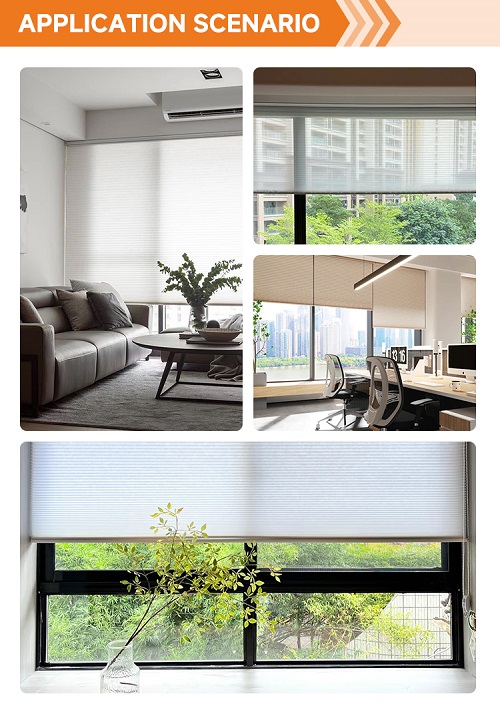
Bedrooms generally require a comfortable lighting environment and sufficient privacy. The right cellular shades fabric depends on whether the room needs soft daylight, reduced incoming light, or a darker sleeping environment.
Recommended Fabric Options
Blackout honeycomb fabric: Suitable for bedrooms where stronger light blocking is required, subject to the performance of the complete blind system and its installation.
Light-Filtering Fabric: A practical option for rooms where occupants prefer softened daylight rather than complete darkness.
NonWoven Fabric: Can be considered for a range of cellular shade designs, with options for different colors, textures, and light-control requirements.
Buyers should also consider fabric color, cell dimensions, and the fit of the finished shade. Light leakage around the edges can affect room-darkening performance, so the fabric alone does not determine the final result.
For manufacturers developing bedroom shading collections, offering both light-filtering and blackout options can help serve customers with different sleeping habits and light preferences.
2. Living Room: Balance Natural Light and Interior Style
Living rooms often need a balance between natural light, privacy, and visual appeal. The selected honeycomb blinds fabric should complement the interior while providing the desired level of daylight control.
Recommended Fabric Options
Sheer honeycomb fabric: Suitable for designs that emphasize a lighter appearance and daylight transmission.
Light-filtering cellular shades fabric: Helps soften incoming daylight while providing a degree of daytime privacy, depending on the fabric and lighting conditions.
Woven honeycomb fabric: Can provide a more defined textile texture for interiors where material appearance is an important design consideration.
Color coordination is another important consideration. Neutral shades can suit a broad range of interiors, while customized colors may be preferred for coordinated residential collections or designer-led projects.
For bulk purchasing, buyers should confirm color consistency across fabric rolls and repeat orders, especially when multiple windows must match within the same property.
3. Hotel Rooms: Combine Guest Comfort and Project Consistency
Hotel window coverings need to meet guest comfort expectations while supporting consistent design across rooms. Project buyers may need fabrics that provide suitable light control, coordinated colors, and documented performance for the intended building and market.
Recommended Fabric Options
Blackout cellular shades fabric: Can be considered for guest rooms where room-darkening performance is a priority.
Light-filtering fabric: Suitable for selected common areas or rooms where natural light is preferred.
Flame-retardant honeycomb fabric: May be required where project specifications or local regulations call for tested fire performance.
For hospitality projects, fabric selection should be based on the project specification rather than appearance alone. Buyers should confirm applicable fire-performance standards, testing documentation, cleaning requirements, and the suitability of the finished window covering system.
Large hotel orders also require careful planning for fabric availability, color matching, roll width, production schedules, and repeat supply. Providing room schedules, estimated quantities, and technical requirements early can help suppliers prepare a more accurate quotation.
4. Office Spaces: Manage Daylight and Visual Comfort
Offices often require window coverings that help manage daylight while maintaining a consistent professional appearance. The appropriate cellular shades fabric depends on window orientation, screen use, privacy needs, and the overall lighting strategy.
Recommended Fabric Options
Light-filtering honeycomb fabric: A potential choice for spaces where softened daylight is desirable.
Room-darkening options: May be suitable for meeting rooms, presentation spaces, or rooms requiring stronger light control.
Woven or nonwoven fabrics: Can be evaluated according to the desired appearance, construction, and budget.
For offices with monitors or presentation screens, consider glare control as part of the complete window covering design. Actual results depend on window orientation, glazing, fabric opacity, shade fit, and lighting conditions.
Commercial buyers should also check that the chosen fabric dimensions and construction are compatible with the intended blind system and the project's installation requirements.
5. Bathrooms and Moisture-Prone Areas: Check Moisture Resistance
Bathrooms, kitchens, and other moisture-prone areas may require different fabric properties from those used in conventional living spaces. In these environments, buyers should consider humidity, direct water exposure, ventilation, cleaning methods, and the durability of the finished window covering.
Recommended Fabric Options
Water-resistant honeycomb fabric: May be suitable for selected applications with limited moisture exposure, depending on verified performance.
Waterproof honeycomb fabric: Can be considered when the application requires a higher level of water protection and the specific product has been verified for that use.
Easy-care materials: Where available, consider materials and finishes that match the required cleaning and maintenance routine.
Water resistance and waterproof performance are not the same. Buyers should ask for relevant test data and confirm whether the fabric is suitable for the expected exposure. They should also check whether the headrail, hardware, cords, and other blind components are appropriate for the installation environment.
For manufacturers and distributors, clearly distinguishing between standard and moisture-resistant product options helps avoid unsuitable applications and unnecessary after-sales issues.
6. Commercial Buildings and Public Spaces: Confirm Fire-Performance Requirements
Some commercial buildings, hospitality projects, and public spaces have specific requirements for the fire performance of interior materials. In these cases, selecting honeycomb blinds fabric should begin with the applicable project specification and local regulations.
Recommended Fabric Options
Flame-retardant honeycomb fabric: Consider when the project requires materials with documented flame-retardant performance.
Custom-specified cellular shades fabric: May be needed to meet particular color, dimension, or material requirements alongside fire-performance criteria.
Before placing an order, confirm the required test standard, classification, certificate validity, and whether the documentation covers the exact fabric construction and treatment. Requirements may differ between countries and building types.
For contractors and procurement teams, agreeing on documentation and acceptance criteria before production helps reduce the risk of specification mismatches during project inspection.
7. Large Windows and Customized Shading Projects: Match the Fabric to the Blind System
Large windows, multi-window installations, and customized architectural projects may require closer coordination between fabric specifications and blind system design. Fabric width, cell dimensions, material flexibility, and the finished shade's operating requirements should all be considered.
Recommended Fabric Considerations
Fabric width: Confirm the available roll width and whether the selected fabric can accommodate the required finished dimensions.
Cell structure: Evaluate pleated, single-hole, double-row-hole, or hole-in-hole structures according to the product design.
Material properties: Check flexibility, dimensional consistency, and suitability for the intended assembly process.
Light-control performance: Select sheer, light-filtering, room-darkening, or blackout options according to project requirements.
Color and repeat supply: Confirm sample approval procedures and consistency expectations for future orders.
For OEM and ODM projects, early technical communication helps buyers determine whether a proposed fabric specification is compatible with the intended shade dimensions, hardware, and production process.
8. Quick Guide: Choosing Honeycomb Blinds Fabric by Application
| Application | Fabric Options to Consider | Main Selection Factors |
|---|---|---|
| Bedroom | Blackout or light-filtering fabric | Privacy, light control, and room-darkening performance |
| Living room | Sheer, woven, or light-filtering fabric | Daylight, texture, color, and interior coordination |
| Hotel | Blackout or specified flame-retardant options | Guest comfort, project compliance, and batch consistency |
| Office | Light-filtering or room-darkening fabric | Daylight management, screen glare, and privacy |
| Bathroom or kitchen | Verified water-resistant or waterproof options | Moisture exposure, cleaning, and product suitability |
| Commercial or public building | Fabric meeting specified fire-performance requirements | Applicable standards, test reports, and documentation |
9. Source Custom Honeycomb Blinds Fabric from HORNET
For blind manufacturers, wholesalers, distributors, and project contractors, sourcing from a supplier with flexible product options can make it easier to serve different market segments. A single fabric specification may not meet the needs of every room or project, so access to multiple materials, cellular structures, and functional options is valuable when developing a broader product range.
HORNET provides honeycomb blinds fabric options for varied window shading applications, including residential interiors, hospitality projects, offices, and selected commercial environments. Buyers can explore nonwoven, woven, and sheer materials, along with different cellular structures such as pleated, single-hole, double-row-hole, and hole-in-hole designs.
Depending on the selected material and verified specifications, functional options can also be evaluated for standard shading, moisture resistance, and flame-retardant requirements. This flexibility helps OEM and ODM customers compare potential solutions based on their product positioning, project specifications, and target markets.
For bulk orders, buyers can discuss fabric width, cell dimensions, color requirements, functional performance, MOQ, and delivery schedules with the team. For hotel and commercial projects, sharing the project specification and required compliance documents at the beginning can help identify suitable options more efficiently.
Whether you are expanding an existing cellular shades collection or sourcing fabric for a new project, HORNET can help you evaluate honeycomb blinds fabric options according to your application and purchasing requirements.
Frequently Asked Questions
Q1: Which honeycomb blinds fabric is best for bedrooms?
Blackout Fabric may be suitable when strong light blocking is required, while light-filtering fabric can work for bedrooms where softer daylight is preferred. The finished blind's fit and construction also affect the overall light-control result.
Q2: What fabric should I choose for hotel window coverings?
Hotel projects may use blackout fabric for guest rooms and other fabric options for shared spaces. Buyers should also confirm the project's fire-performance requirements, color consistency, cleaning needs, and repeat-order supply arrangements.
Q3: Is waterproof honeycomb fabric suitable for every bathroom?
No. Suitability depends on the degree of moisture exposure, ventilation, fabric construction, and the components used in the finished blind. Confirm the product's tested performance before specifying it for a bathroom or other wet environment.
Q4: When should I choose flame-retardant cellular shades fabric?
Consider flame-retardant fabric when it is required by the project specification or applicable regulations. Always verify the relevant test standard and supporting documentation for the exact fabric being purchased.
Q5: Can I source different honeycomb fabric options from one supplier?
Depending on the supplier's product range, buyers may be able to source different materials, structures, colors, and functional options through one supplier. Confirm availability, MOQ, sampling, lead time, and specification consistency for each product.
Need Honeycomb Blinds Fabric for Your Next Project?
Tell HORNET about your target application, preferred fabric material, cellular structure, functional requirements, and estimated order quantity. Our team can help you evaluate suitable options for OEM production, wholesale supply, and commercial window covering projects.
Contact HORNET