


 English
Choosing the right honeycomb colors is an important part of creating a comfortable and coordinated interior. Honeycomb shades, also known as cellular shades, are not only valued for their insulation and light-control properties but also for their wide selection of colors and fabric options.
From clean white and soft beige to modern gray and darker neutral tones, different colors can create very different visual effects. When selecting honeycomb shade fabric, buyers should consider not only the color but also the fabric's opacity, texture, cell structure, and intended application.
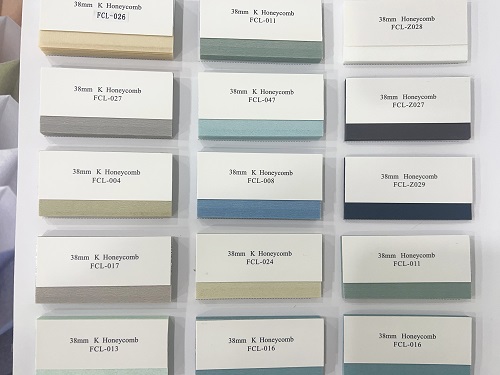
Whether you are choosing Honeycomb Blinds Fabric for a residential project, hotel, office, or other commercial space, understanding how colors work with different interior styles can help you make a better choice.
Why Do Honeycomb Colors Matter?
The color of a window shade can influence the overall appearance and atmosphere of a room. Because honeycomb shades cover a significant portion of the window area, their color can become an important part of the interior design.
Light-colored honeycomb fabric can create a brighter and more spacious appearance, while darker colors can add contrast and create a more sophisticated atmosphere. Neutral colors are particularly popular because they can coordinate with a wide range of wall colors, furniture, flooring, and decorative elements.
However, color should not be considered separately from fabric performance. A buyer should also consider whether the shade requires light filtering, room darkening, or blackout performance.
What Are the Most Popular Honeycomb Colors?
Although color preferences vary by project and market, several color families are commonly used for honeycomb shades.
White Honeycomb Shades
White is one of the most versatile honeycomb colors. It creates a clean, bright appearance and works well with modern, minimalist, Scandinavian, and contemporary interiors.
White Cellular Shade Fabric is particularly suitable for living rooms, offices, kitchens, and other spaces where maintaining a bright interior is important.
White shades can also visually blend with white window frames, creating a simple and consistent appearance.
Beige and Cream Honeycomb Shades
Beige, cream, and other warm neutral colors can create a softer and more comfortable atmosphere. They are suitable for traditional, transitional, farmhouse, and natural interior styles.
Beige honeycomb shade fabric can work especially well with wooden furniture, warm flooring, natural textiles, and earth-tone decorations.
For bedrooms and living rooms, warm neutral shades can provide a balanced appearance without making the window treatment visually dominant.
Gray Honeycomb Shades
Gray is a popular choice for modern and contemporary interiors. It can provide a neutral background while creating more contrast than white or cream.
Light gray honeycomb blinds fabric can maintain a soft and bright appearance, while medium and dark gray shades can create a stronger visual effect.
Gray works well with white walls, black furniture, metal finishes, concrete surfaces, and other modern design elements.
Brown and Taupe Honeycomb Shades
Brown, taupe, and similar earth tones are suitable for interiors that emphasize warmth and natural materials. These colors can complement wood, leather, stone, and neutral textiles.
Brown honeycomb fabric can be a good choice for bedrooms, studies, hotels, and other spaces where a warmer visual atmosphere is preferred.
Dark Gray and Black Honeycomb Shades
Darker colors can create a strong contrast and provide a more contemporary appearance. They are often selected for modern bedrooms, media rooms, offices, and commercial interiors.
Dark colors can also be combined with Blackout Honeycomb Fabric when stronger light control is required. However, the final light-blocking performance depends on the fabric construction and installation, not simply the color.
How Should You Choose Honeycomb Colors for Different Interior Styles?
The best honeycomb color depends largely on the style and atmosphere of the room. The following combinations can provide a useful starting point.
Modern and Minimalist Interiors
Modern interiors typically benefit from simple and neutral colors. White, light gray, beige, and soft taupe can complement clean lines and minimal decoration.
For a minimalist appearance, choose a honeycomb shade fabric that closely matches the wall or window frame. This can make the window treatment appear more integrated with the room.
Scandinavian Interiors
Scandinavian interiors generally emphasize natural light, simple shapes, and soft neutral colors. White, cream, light beige, and pale gray honeycomb shades can work well with this design style.
A light-colored light filtering honeycomb fabric can help maintain a bright atmosphere while softening direct daylight.
Traditional Interiors
Traditional interiors often use warm colors and natural materials. Beige, cream, taupe, brown, and warm gray can coordinate well with wooden furniture and classic decorative elements.
Choosing a textured or subtly colored cellular shade fabric can add visual depth without overwhelming the existing interior design.
Industrial Interiors
Industrial interiors commonly combine concrete, metal, wood, and darker colors. Gray, charcoal, dark brown, and black can complement this style effectively.
Dark gray or charcoal honeycomb blinds fabric can create a stronger contrast against lighter walls while maintaining a modern appearance.
Luxury and Hotel Interiors
Hotels and high-end residential projects often use neutral colors to create a sophisticated and timeless appearance. Beige, taupe, warm gray, and off-white are suitable choices for many hospitality environments.
In these projects, color should be considered together with fabric texture, cell size, light-control performance, and overall window treatment design.
How Does Fabric Type Affect Honeycomb Colors?
When selecting honeycomb colors, it is important to consider the type of fabric as well. The same color can produce a different visual effect depending on the fabric's opacity, structure, and surface characteristics.
Light filtering honeycomb fabric allows a certain amount of natural light to pass through the material. This can make colors appear softer and brighter when sunlight enters the room.
By contrast, blackout honeycomb fabric uses a more opaque construction to significantly reduce light transmission. The color may therefore appear deeper and more consistent when the shade is closed.
For this reason, it is useful to evaluate both the color and the fabric performance before selecting a final shade for a project.
Should You Choose Light or Dark Honeycomb Colors?
Both light and dark colors can work well, but they create different visual effects.
Light colors: White, cream, beige, and light gray can make a room feel brighter and more open.
Medium colors: Taupe, medium gray, and warm brown provide a balanced combination of contrast and neutrality.
Dark colors: Charcoal, dark gray, and black can create stronger contrast and a more dramatic appearance.
For small rooms, lighter honeycomb fabric colors may help maintain a visually open appearance. In larger rooms, darker shades can be used to create contrast or emphasize architectural features.
How Do Honeycomb Colors Affect Light Control?
Color and light control are related, but they should not be confused. A darker fabric is not automatically a blackout fabric, and a white fabric is not necessarily light filtering.
The actual light-control performance depends primarily on the construction and opacity of the fabric. Therefore, when choosing honeycomb shade fabric, buyers should first determine whether they need light filtering, room darkening, or blackout performance and then select the appropriate color.
For example, a bedroom may require blackout performance, while a living room may benefit from light filtering fabric that allows natural daylight into the room.
Can Honeycomb Shade Fabric Be Customized in Different Colors?
Yes. For commercial projects, interior design projects, and large-volume orders, Custom Honeycomb Fabric can be considered when standard colors do not meet specific design requirements.
Depending on the manufacturer, buyers may be able to select from different color collections or request specific colors for a project. Custom color development can be useful for hotels, office buildings, residential developments, and other projects where consistent branding or interior design is required.
When ordering custom honeycomb blinds fabric, it is important to confirm the fabric construction, cell size, opacity, color consistency, and production requirements together. Requesting samples before bulk production can also help buyers evaluate the actual color under different lighting conditions.
What Should You Consider When Choosing Honeycomb Fabric Colors?
Before selecting a color, consider the following factors:
Interior style: Match the color with the overall design concept of the room.
Natural lighting: Consider how much sunlight enters the room during different times of the day.
Fabric opacity: Determine whether you need light filtering or blackout performance.
Furniture and walls: Choose a color that coordinates with existing materials and finishes.
Window size: Large windows can make the selected shade color more visually prominent.
Maintenance: Consider how easily dust and stains may be visible on very light or very dark fabrics.
Project requirements: For commercial or large-volume projects, consider color consistency and customization options.
The best honeycomb colors depend on the interior style, natural lighting, window size, and desired atmosphere. White and light gray can create a clean modern appearance, beige and cream provide warmth, while darker gray and brown can add contrast and depth.
However, color is only one part of choosing the right window covering. The type of honeycomb shade fabric, cell structure, opacity, and light-control performance should also be considered. Light filtering fabrics are suitable for spaces that need soft natural daylight, while blackout honeycomb fabric is better for rooms requiring stronger light control.
For projects with specific design requirements, custom honeycomb fabric can provide more flexibility in color and fabric selection. By evaluating color together with fabric performance and application requirements, buyers can create honeycomb shades that are both functional and visually coordinated.
Frequently Asked Questions
What are the most popular honeycomb colors?
White, beige, cream, gray, taupe, brown, and darker neutral colors are commonly used for honeycomb shades. The best option depends on the interior style and desired visual effect.
Does honeycomb fabric color affect light control?
Color can influence the visual appearance of transmitted light, but light-control performance mainly depends on the fabric construction and opacity. Blackout and light-filtering fabrics provide different levels of light transmission regardless of color.
What color honeycomb shades are best for modern interiors?
White, light gray, medium gray, beige, and taupe are versatile choices for modern interiors. The final choice should also coordinate with the walls, furniture, flooring, and window frames.
Can honeycomb shade fabric be customized in different colors?
Depending on the manufacturer, honeycomb shade fabric can be available in a wide range of standard colors and may also support custom color requirements for larger projects or bulk orders.