


 English
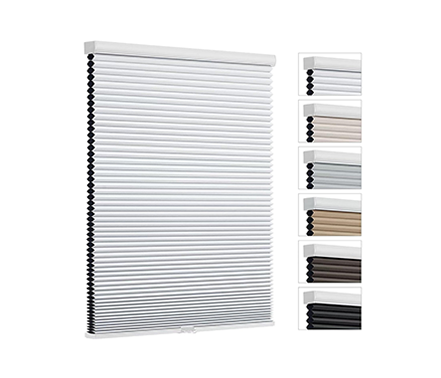
honeycomb shades, also known as cellular shades, are a type of fabric window covering designed with connected air pockets that resemble a honeycomb when viewed from the side. This unique cellular structure helps create an insulating layer between the window and the room while also providing flexible control over light and privacy.
Honeycomb shades are available in different cell structures, fabrics, colors, opacity levels, and operating systems. Depending on the application, homeowners and commercial users can choose light-filtering, room-darkening, or blackout options. Cordless and vertical configurations are also available for different window sizes and layouts.
How Do Honeycomb Shades Work?
The main feature of honeycomb shades is their cellular construction. Pleated fabric is joined to form a series of hollow cells. When the shade is fully extended, these cells create pockets of air between the window and the interior space.
The trapped air acts as an additional insulating layer near the window. This can help reduce heat transfer and improve indoor comfort, particularly when the shades are properly fitted to the window.
Unlike traditional horizontal blinds with individual slats, honeycomb shades use a continuous pleated fabric structure. This gives them a clean appearance while allowing the shade to fold into a compact stack when raised.
What Are the Main Benefits of Honeycomb Shades?
The cellular structure gives honeycomb shades several practical advantages for residential and commercial window applications.
Insulation: The air pockets create an additional layer between the window and room.
Light control: Different fabrics can filter or block different amounts of incoming light.
Privacy: Opaque and light-filtering fabrics can reduce visibility through the window.
Clean appearance: The pleated fabric creates a simple and modern look.
Compact stacking: The shade folds into a relatively small stack when raised.
Flexible configurations: Honeycomb shades can be designed for different window sizes and operating requirements.
The exact performance depends on factors such as fabric type, cell size, number of cells, window fit, mounting method, and the specific product construction.
What Are Honeycomb Blackout Shades?
Honeycomb blackout shades are designed to provide a higher level of light blockage than standard light-filtering cellular fabrics. They are particularly suitable for bedrooms, nurseries, media rooms, offices, and other spaces where controlling incoming light is important.
Blackout fabrics generally use a more opaque construction to reduce light transmission through the shade. However, light can still enter around the edges of a window covering depending on the mounting configuration and window design.
For applications where maximum darkness is required, the shade size, installation method, and coverage around the window should be considered in addition to the fabric itself.
What Are Blackout Cellular Shades?
Blackout cellular shades are another common name for cellular shades made with blackout materials. They combine the honeycomb structure with a fabric designed to significantly reduce incoming light.
These shades can be particularly useful in bedrooms where excessive daylight may affect sleep, as well as in home theaters and rooms where glare needs to be controlled.
Blackout cellular shades can also provide privacy because the more opaque fabric makes it difficult to see through the shade when it is fully closed.
What Are Light Filtering Honeycomb Shades?
Light filtering honeycomb shades are designed to soften incoming daylight rather than completely block it. They allow natural light to enter the room while reducing glare and providing a degree of privacy.
This makes light-filtering shades a popular option for living rooms, dining rooms, home offices, and other areas where users want a bright interior without direct sunlight entering the space.
Compared with blackout fabrics, light-filtering materials generally create a softer and brighter atmosphere. The right option depends on whether the priority is natural daylight, privacy, glare reduction, or maximum light blockage.
What Are Cordless Cellular Blinds?
Cordless cellular blinds use a cordless operating system instead of a traditional hanging cord. The shade can generally be raised or lowered by operating the bottom rail, creating a cleaner appearance around the window.
Cordless designs are particularly suitable for modern interiors and spaces where a simple operating system is preferred. They can also be considered for homes with children or pets because there is no exposed operating cord loop.
Depending on the product design, cordless cellular blinds may be available with light-filtering, room-darkening, or blackout fabrics.
What Are Vertical Honeycomb Shades?
Vertical honeycomb shades use a similar cellular construction to standard honeycomb shades, but the pleats run vertically instead of horizontally. This configuration allows the shade to move from side to side rather than primarily from top to bottom.
Vertical honeycomb shades can be useful for large windows, sliding glass doors, patio doors, and floor-to-ceiling openings. They provide a way to maintain a consistent window treatment style across standard windows and larger glass areas.
Like standard cellular shades, vertical configurations can be produced with different light-control options, including light-filtering and blackout materials.
What Are Finished Honeycomb Shades?
In addition to Honeycomb Shade Fabrics, manufacturers can supply complete Finished Honeycomb Shades that are ready for installation. Finished products can be available in different operating configurations, including cordless, corded, top-down bottom-up, and other designs depending on the manufacturer and application.
Choosing finished honeycomb shades can simplify the process for projects that require a complete window covering rather than fabric alone. Buyers can select the appropriate fabric, cell structure, operating system, and configuration according to the window and project requirements.
Single Cell vs. Double Cell Honeycomb Shades
Honeycomb shades are commonly available in single-cell and double-cell constructions.
Single Cell
Single-cell shades have one layer of honeycomb-shaped air pockets. They typically provide a slimmer profile and can be suitable for many standard residential windows.
Double Cell
Double-cell shades contain two layers of cellular pockets. The additional layer creates more trapped air and can provide greater insulating performance, although the shade may have a larger stack when raised.
The best configuration depends on window size, climate, desired appearance, insulation requirements, and budget.
Where Can Honeycomb Shades Be Used?
Honeycomb shades can be used in a wide range of residential and commercial spaces.
Bedrooms
Living rooms
Dining rooms
Home offices
Nurseries
Media rooms
Hotels
Offices
Sliding glass doors
Large windows
For bedrooms and media rooms, blackout fabrics may be preferred. For living areas and offices, light-filtering materials can provide natural daylight while reducing glare and maintaining privacy.
How to Choose the Right Honeycomb Shades?
Choosing the right honeycomb shades depends on several factors. Before purchasing, consider the following:
1. Light Control
Decide whether you need natural daylight, glare reduction, room darkening, or maximum light blockage. Light-filtering honeycomb shades are suitable for softer daylight, while blackout cellular shades are better for rooms requiring stronger light control.
2. Window Size and Type
Standard horizontal honeycomb shades are suitable for many conventional windows, while vertical honeycomb shades may be more appropriate for sliding doors and large glass openings.
3. Operating System
Consider whether you prefer cordless operation, standard lift systems, top-down/bottom-up configurations, or motorized operation.
4. Cell Structure
Single-cell and double-cell designs provide different combinations of profile, insulation, and appearance. Consider the window's location and your performance requirements when choosing between them.
5. Fabric and Color
Fabric opacity, color, texture, and material can affect both the appearance and light transmission of the finished shade. Neutral colors are commonly used for minimalist interiors, while custom colors can be selected to match a particular design concept.
Are Honeycomb Shades Energy Efficient?
Honeycomb shades can contribute to window insulation because their cellular structure creates pockets of trapped air. This additional layer can help slow heat transfer through the window.
However, actual energy performance depends on the complete window system, including the glass, frame, shade construction, installation, cell design, and coverage. Honeycomb shades should therefore be considered as one part of an overall window insulation strategy rather than a replacement for high-performance glazing.
So, what are honeycomb shades? They are cellular window coverings made from pleated fabric that forms connected air pockets. This distinctive structure provides a combination of light control, privacy, insulation, and a clean modern appearance.
From honeycomb blackout shades and blackout cellular shades to light filtering honeycomb shades, cordless cellular blinds, and vertical honeycomb shades, there are different configurations for different window and room requirements.
By considering light control, window size, operating system, cell structure, fabric, and installation requirements, you can select a honeycomb shade solution that better matches the needs of your space.
Frequently Asked Questions
Are honeycomb shades and cellular shades the same?
Yes. Honeycomb shades and cellular shades generally refer to the same type of window covering. The term “honeycomb” describes the appearance of the internal cells, while “cellular” describes the cellular construction.
Do honeycomb shades block out light?
Some honeycomb shades are designed to filter light, while others use blackout fabrics for significantly greater light blockage. The result also depends on how the shade is fitted and installed.
Are cordless cellular blinds a good option?
Cordless cellular blinds provide a clean appearance and convenient operation without an exposed operating cord. They are available in different fabrics and configurations for various rooms and window types.
Are vertical honeycomb shades suitable for sliding doors?
Yes. Vertical honeycomb shades are specifically suited to larger glass openings such as sliding patio doors and floor-to-ceiling windows because the fabric pleats run vertically and can move from side to side.
What is the difference between light filtering and blackout honeycomb shades?
Light filtering honeycomb shades allow some natural light to enter while reducing glare and providing privacy. Blackout honeycomb shades use more opaque materials to significantly reduce light transmission and are commonly selected for bedrooms and media rooms.