

 English
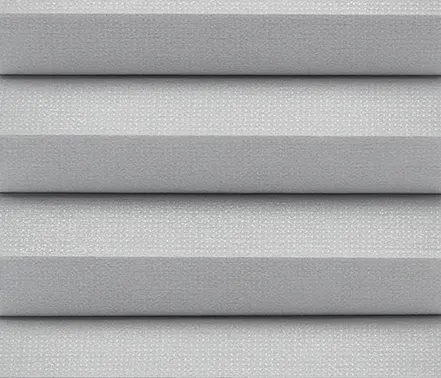
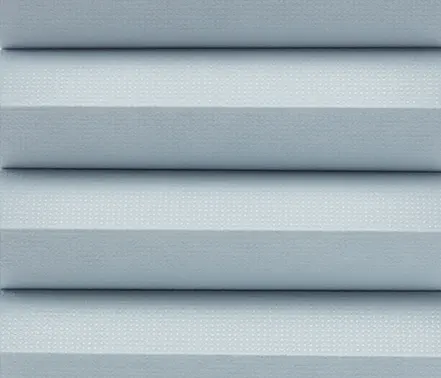
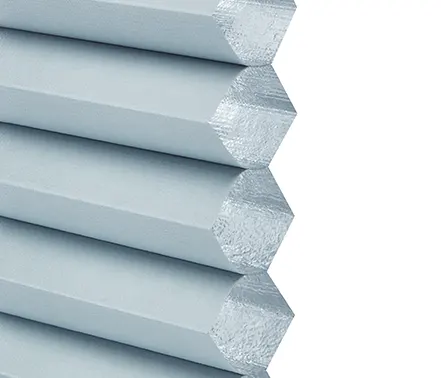
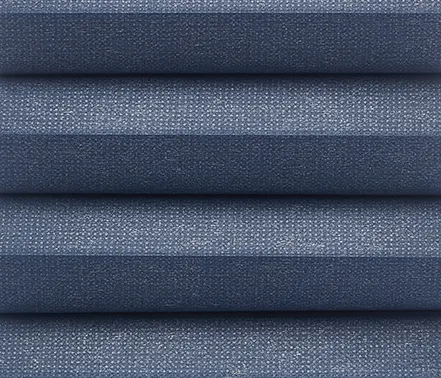
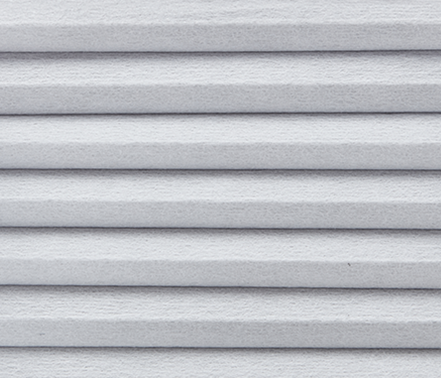
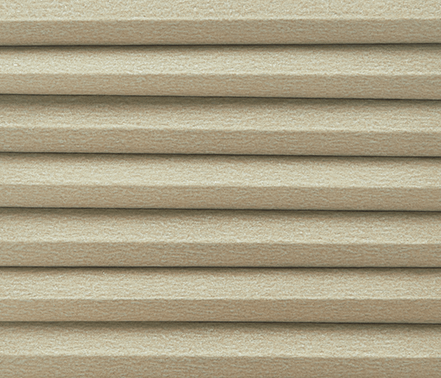
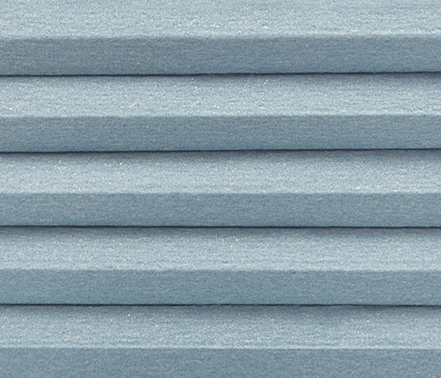
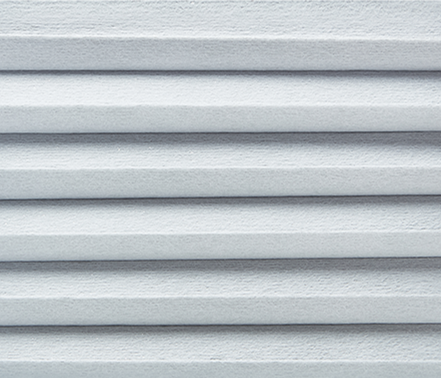
38mm Cellular Shade Fabric is a specialized non-woven fabric designed for honeycomb blinds, cellular shades and modern window covering systems. With a 38mm structure and multiple available configurations, including single hole, hole-in-hole, side-by-side holes and pleated designs, the fabric provides flexible options for different shade structures and performance requirements.
Designed for professional window covering manufacturers, distributors and project suppliers, this Non-woven Cellular Shade Fabric combines a lightweight construction with thermal insulation, light control and privacy performance. Different colors, structures and specifications can be customized according to specific application requirements.
Product Specifications
| Product Name | 38mm Cellular Shade Fabric |
|---|---|
| Material | Non-woven Fabric |
| Size | 38 mm |
| Available Structures | Single Hole / Hole-in-Hole / Side-by-Side Holes / Pleated |
| Fabric Type | Non-woven Cellular Shade Fabric |
| Light Control | Light Filtering / Blackout Options |
| Thermal Performance | Thermal Insulation and Heat Reduction |
| Color | Multiple Colors Available |
| Customization | Color, Structure, Size and Fabric Specifications |
| Application | Honeycomb Blinds, Cellular Shades and Window Covering Systems |
Key Features of 38mm Cellular Shade Fabric
1. 38mm Fabric Structure
The 38mm Cellular Shade Fabric is designed with a larger structural size for cellular shade applications. The 38mm configuration provides manufacturers with an additional option when developing honeycomb blinds with different visual effects, operating requirements and window dimensions.
2. Multiple Structural Options
One of the key advantages of this fabric is the availability of multiple structural configurations. Depending on the finished shade design, the fabric can be produced in single hole, hole-in-hole, side-by-side holes and pleated structures. These options allow manufacturers to select a suitable construction for different window treatment systems.
3. Single Hole Structure
The single-hole structure provides a straightforward cellular construction with a clean and uniform appearance. It is suitable for applications where a simple cellular shade structure and consistent pleat formation are required.
4. Hole-in-Hole Structure
The hole-in-hole configuration provides an alternative cellular construction for window covering manufacturers looking for different structural and visual characteristics. This design can be selected according to the requirements of the finished honeycomb blind system.
5. Side-by-Side Hole Structure
The side-by-side hole configuration provides another option for fabric construction and shade design. It can be used to develop distinctive cellular shade structures while maintaining a neat appearance and practical window covering performance.
6. Pleated Construction
The pleated cellular fabric is designed to maintain consistent folds and a clean appearance when the shade is extended or retracted. Proper pleat formation is important for the appearance, dimensional stability and operating performance of finished cellular shades.
7. Lightweight Non-woven Material
Made from non-woven fabric, the material offers a lightweight construction that is suitable for cellular shade manufacturing. A properly processed non-woven fabric can provide good dimensional stability, pleat consistency and surface uniformity for finished window coverings.
8. Thermal Insulation
The cellular construction can create an air layer between the window and the interior space, helping reduce direct heat transfer. In warm conditions, cellular shades can help reduce heat entering through windows, while in colder conditions they can help reduce heat loss. This makes cellular shade fabric a practical option for energy-conscious window covering applications.
9. Light and Privacy Control
Non-woven Cellular Shade Fabric can be used for different light-control requirements. Light-filtering configurations allow soft daylight into the room while helping reduce glare, while blackout constructions can provide stronger light blocking and privacy for bedrooms, offices and other spaces requiring controlled indoor lighting.
10. Flexible Color Selection
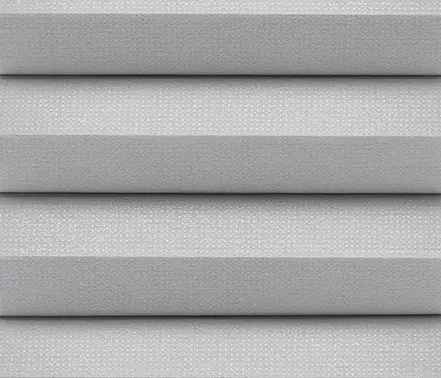
Different colors can be selected to match various interior styles and architectural requirements. Light and neutral colors can create a bright and minimalist appearance, while darker colors can provide stronger visual contrast and a more sophisticated interior effect. Custom colors can also be considered for OEM and project orders.
Quality Considerations for Non-woven Cellular Shade Fabric
The quality of cellular shade fabric affects both the appearance and long-term performance of finished honeycomb blinds. When selecting Non-woven Honeycomb Fabric, manufacturers should pay attention to material uniformity, structural consistency, pleat formation and dimensional stability.
Material uniformity: Consistent fiber distribution helps provide a smooth and uniform fabric appearance.
Structural consistency: Stable hole and cellular structures help maintain consistent finished shade dimensions.
Pleat consistency: Uniform folds contribute to a neat appearance and smooth operation.
Dimensional stability: Stable fabric helps reduce deformation during processing and long-term use.
Edge quality: Clean edges help reduce loose fibers, fraying and deformation during fabrication.
Color stability: Good color fastness helps maintain the appearance of finished window coverings during regular use.
Applications of 38mm Cellular Shade Fabric
Residential Window Shades
38mm Cellular Shade Fabric is suitable for bedrooms, living rooms, dining rooms, home offices and other residential spaces. Its cellular construction provides a combination of thermal insulation, light management and privacy control for everyday window treatment applications.
Bedrooms and Private Spaces
Blackout cellular shades can be used in bedrooms and other private areas where stronger light blocking and privacy are required. Light-filtering versions are suitable for spaces where soft natural light is preferred.
Hotels and Hospitality Buildings
Cellular shades are suitable for hotel rooms, serviced apartments, guest rooms and other hospitality environments. Different colors and light-control configurations can be selected to coordinate with interior design and guest comfort requirements.
Office and Commercial Buildings
The fabric can be used for office windows, meeting rooms, reception areas and commercial spaces where daylight management, privacy and interior appearance are important. Different structural options provide flexibility for various window covering designs.
Schools and Institutional Buildings
Non-woven cellular fabric can also be used for classrooms, libraries, training rooms and other institutional spaces. Light-control options can help manage glare and daylight while maintaining a comfortable indoor environment.
Custom Window Treatment Projects
For professional window covering manufacturers, architects and interior designers, the fabric provides a flexible material solution for customized honeycomb blind systems. Different structures, colors and specifications can be selected according to project requirements.
Why Choose 38mm Cellular Shade Fabric?
38mm Cellular Shade Fabric provides a flexible solution for manufacturers looking to produce modern cellular shades and honeycomb blinds. Its non-woven construction, multiple structural options and pleated design make it suitable for different window treatment systems.
With options including single hole, hole-in-hole, side-by-side holes and pleated structures, manufacturers can select the appropriate construction for different product designs. The fabric can also be customized in terms of color, structure and specifications for OEM, wholesale and architectural window covering projects.
FAQ
1. What is 38mm Cellular Shade Fabric?
38mm Cellular Shade Fabric is a non-woven fabric designed for cellular shades and honeycomb blinds. It uses a 38mm structure and can be produced in different configurations for various window covering applications.
2. What material is used for this cellular shade fabric?
This product is made from non-woven fabric, providing a lightweight and stable material option for cellular shade manufacturing.
3. What structures are available for the 38mm fabric?
The available structures include single hole, hole-in-hole, side-by-side holes and pleated configurations. The appropriate structure can be selected according to the finished shade design and application requirements.
4. Can 38mm Cellular Shade Fabric be used for blackout blinds?
Yes. Blackout and light-filtering configurations can be provided depending on the specific fabric construction and application requirements.
5. What are the main advantages of non-woven cellular fabric?
Non-woven cellular fabric is lightweight and can provide good pleat consistency, dimensional stability, thermal insulation and light-control performance when properly processed and incorporated into a cellular shade system.
6. Can the color and structure be customized?
Yes. Colors, structures, sizes and other fabric specifications can be customized according to project requirements, order quantities and the intended window covering system.
7. Where can 38mm Cellular Shade Fabric be used?
It can be used for residential windows, bedrooms, hotels, offices, commercial buildings, schools and customized architectural window treatment projects.
8. Is this fabric suitable for OEM orders?
Yes. The fabric can be supplied for OEM and customized window covering projects. Manufacturers and distributors can discuss specific requirements for colors, structures, specifications and applications.